Buying a blast freezer is not just about choosing a machine — it’s about making sure it fits your product needs, space, budget, and long-term operation.
If you’re not prepared, you could end up with equipment that consumes too much electricity, struggles to meet freezing times, or fails to pass health inspections.
Here’s a complete buyer’s guide so you can avoid costly mistakes and get the best value from your investment.
Before talking to any supplier, be clear about:
What products you’re freezing – meat, seafood, bakery, ready meals, ice cream, etc.
Batch size per cycle – how many kilograms you want to freeze at once.
Target core temperature – most products require -18°C or lower.
Required freezing time – for example, poultry may need 6–8 hours, seafood 4–6 hours.
📌 Tip: A machine that’s too small will slow down your production; too large will waste energy.
Blast freezers are large and need enough room for:
The freezer chamber itself
Condenser units (indoor or outdoor)
Door clearance for loading/unloading
Ventilation space for heat dissipation
Also check floor load capacity — heavy-duty blast freezers can weigh several tonnes.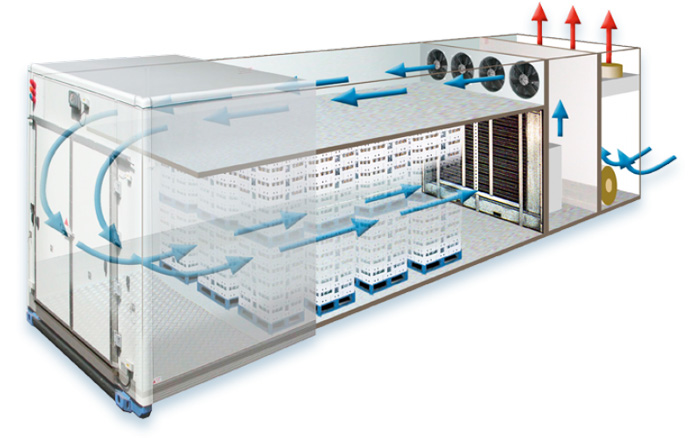
The freezing performance depends on:
Compressor type:
Semi-hermetic screw (e.g., Bitzer) for large-scale industrial
Scroll or reciprocating for smaller operations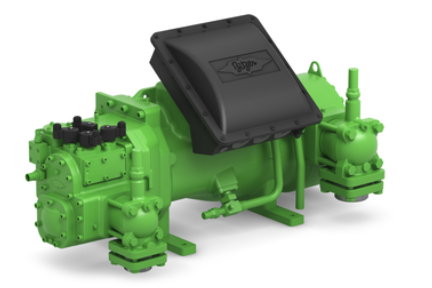
Evaporator size and airflow: Strong airflow ensures uniform freezing.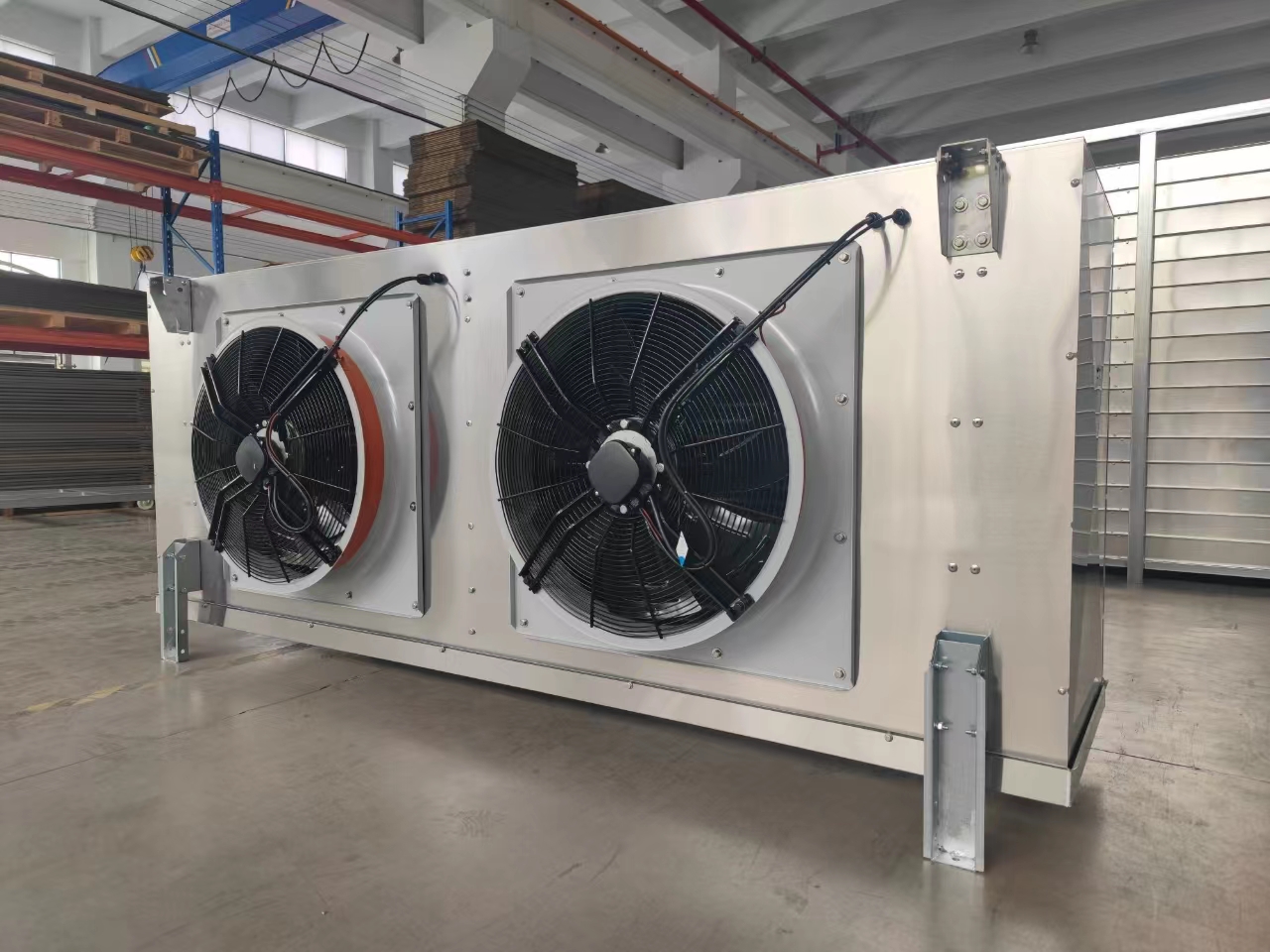
Two-stage systems for high ambient temperatures or very fast freezing.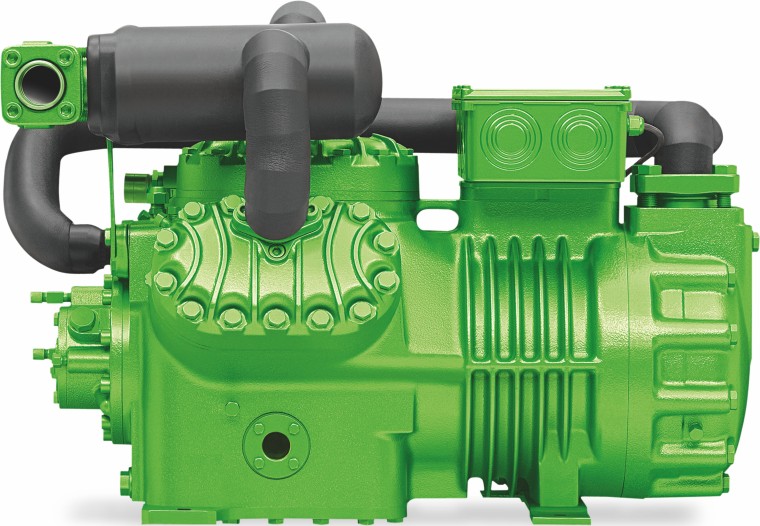
If your blast freezer will operate in a hot environment (+40°C to +55°C):
Choose oversized condensers
Ensure high ambient–rated compressors
Add extra insulation to panels and doors
Consider heat protection covers for outdoor units
Failing to adapt the design for your climate can cause poor performance and high power bills.
Blast freezers can be heavy on electricity. Ask your supplier about:
Variable speed fans
Efficient defrost systems
High-quality insulation to reduce heat gain
Door heaters with timers to prevent ice without wasting energy
Power supply: Most blast freezers need 3-phase power.
Drainage: Meltwater from defrost cycles needs proper drainage.
Refrigerant choice: R404A is common, but some use CO₂ or other eco-friendly refrigerants.
📌 Tip: Always hire professional refrigeration installers — incorrect setup can shorten equipment life.
Don’t just focus on purchase price. Ask for:
Estimated monthly electricity costs
Maintenance schedule and costs
Availability and price of spare parts
Your blast freezer should meet:
Food safety standards (HACCP, ISO, etc.)
Electrical safety compliance for your country
Importation requirements if buying from overseas
A blast freezer is a long-term investment. Make sure your supplier offers:
Warranty on the compressor and main components
Availability of technical support
Quick spare parts supply
A well-chosen blast freezer will help your business:
✅ Preserve product quality
✅ Meet export and food safety standards
✅ Save money on energy in the long term
At Freezing Valley Refrigeration Equipment, we custom-build blast freezers to suit your product, climate, and budget.
📞 Call us today at 0273738708 for a free consultation and a design tailored to your needs.

